
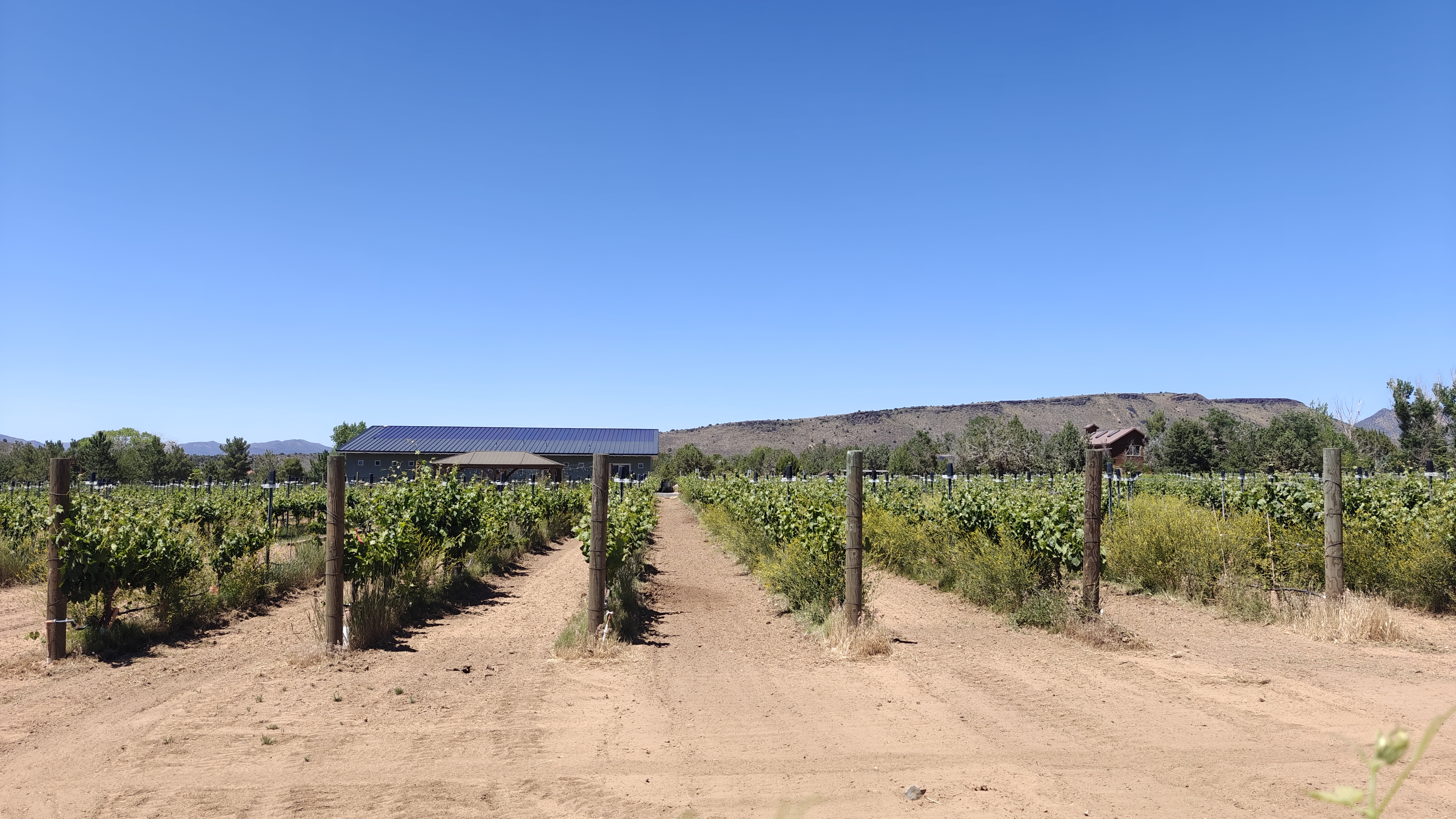
How many wineries does it take to make a wine region?
In southern Utah, the answer is five.
Scattered between Cedar City and Zion National Park, five small wineries have banded together to form what’s now known as the Utah Wine Trail—an emerging wine region in one of the most unexpected places imaginable. In a state known for its strict alcohol laws, these winemakers are doing something remarkable: creating warm, welcoming spaces that celebrate local terroir, experimentation, and a shared passion for wine.
What you’ll find here isn’t Napa. And that’s exactly the point.
A Wine Region Defined by Terroir
Southern Utah sits along the 37th parallel—the same latitude as parts of Spain and Italy—and that resemblance shows in the wines.
What makes this region unique:
- Vineyard elevations between 3,000–4,600 feet
- A mix of volcanic and sandstone soils
- Large day-night temperature swings that preserve acidity
- A hot, dry climate balanced by cool nights
The result in the glass:
- Fruit-forward reds with structure and balance
- Fresh, aromatic whites with surprising acidity
- A style that sits between New World ripeness and Old World freshness
A Perfect Addition to a Zion Trip
If you’re visiting Zion National Park, this wine trail is an easy and worthwhile addition to your itinerary.
Why it works so well:
- Wineries are located just 30–60 minutes from Zion
- It offers a completely different pace after a day outdoors
- Tasting rooms provide a relaxed, shaded break from the desert heat
Our experience:
- After a morning of hiking in Zion, we spent the afternoon wine tasting
- It was the perfect transition from adventure to relaxation
- We ended the day at Zion Hot Springs
It turned into one of those travel days that feels unexpectedly balanced—active, social, and a little indulgent.
A Quick Tip Before You Sip
Before visiting, there’s one important thing to know:
- Not all grapes are grown in Utah
- Many wineries source fruit from Washington (Yakima, Walla Walla) and California (Lodi, Napa)
What to do:
- Ask where the grapes come from during your tasting
- Notice how Utah winemakers interpret those grapes
Even when the fruit is sourced, the wines still reflect the personality of the region.
The 5 Wineries of the Utah Wine Trail
I/G Winery (Cedar City)
- No reservation needed
- Urban-style tasting room
Bold & Delaney (Dammeron Valley)
- Reservation recommended
- Organic, unfiltered wines
The Vine Yard (Leeds)
- Reservation required
- Small, intimate tastings
Zion Vineyards (Leeds)
- No reservation needed
- Established and expanding winery
Water Canyon Winery (Hildale & Springdale)
- Call ahead for Hildale location
- Natural, experimental wines
Tasting the Region: Our Experience
We visited three wineries along the trail, each offering something different.
What stood out most:
- We were pleasantly surprised to speak directly with the owners and winemakers at two of the three wineries
- They were generous with their time and knowledge
- The conversations added a deeper, more personal layer to the experience
Winery Highlights
Zion Vineyards
Overview:
- ~2,000 cases annually
- Mostly estate-grown fruit
Standout wines:
- Albariño – bright, floral, honeysuckle
- Grenache – light, cherry-driven
- Tempranillo – structured and balanced
- Petit Syrah – award-winning and memorable
Bold & Delaney
Overview:
- High elevation (4,600 ft)
- Organic, unfined, unfiltered
Standout wines:
- Semillon – round and textured
- Malvasia Bianca – floral, aromatic
- Pinot Noir – Old World style
- Tempranillo – flagship wine
Water Canyon Winery
Overview:
- Natural winemaking approach
- Wild fermentation, unfiltered wines
Standout wines:
- Orange Muscat – floral, evolving
- Angel’s Landing blend – balanced and expressive
- Barbera blend – dark fruit with acidity
Experience highlight:
- Interactive oak cube experiment
Wine in Utah: What to Expect
- Limited tasting pours
- No alcohol discounts
- Mostly direct-to-consumer sales
- Limited distribution
The upside:
- More intimate tastings
- Direct connection with winemakers
- A strong sense of discovery
Travel Tips
- Visit in spring or fall
- Book ahead when needed
- Plan driving distances between wineries
- Ask questions during tastings
Final Thoughts
Utah’s wine scene is small but evolving quickly.
- Five wineries
- A young but passionate community
- A region still finding its identity
It’s not just about tasting wine—it’s about discovering a place in the making.
